Your Brain Has a Built-in Cleaning System: Exciting New Research You Should Know

Garbage collection is critical
One week, our garbage truck forgot to pick up our trash. It was a complete disaster. My husband and I called waste management, and after reviewing the video, they confirmed the truck had simply missed us. They said they’d be back in three days.
Our bin was already full. Even though we try to buy items with less packaging, we have three cats — and between the three of us, we easily fill our garbage bin every week. Just a three-day delay and the bin started overflowing. We were stuffing bags wherever we could and even had to ask our neighbor if we could put some of our garbage in their bin. It was messy, stressful, and honestly a little embarrassing.
Now let’s think about this in a different way.
Every single night, your brain has its own built-in “garbage collection” system. While you sleep, it drains away the debris and metabolic byproducts that build up from thinking, making decisions, processing information, and simply living. Scientists call this the glymphatic system — your brain’s natural cleaning crew.
But what happens when that nightly cleanup gets missed?
Imagine skipping your brain’s garbage pickup even one night because you stayed up late. Now imagine doing that just once a week for the next 20 or 30 years. Over time, that missed “garbage collection” adds up. Just like our overflowing trash bin at home, waste can start to build up in the brain when the drainage system doesn’t get the chance to do its job properly.
Exciting new research published in 2026 has given us even clearer proof of how this drainage system works. Scientists found real lymphatic vessels right at the connection point between the brain and the rest of the body in the neck area.
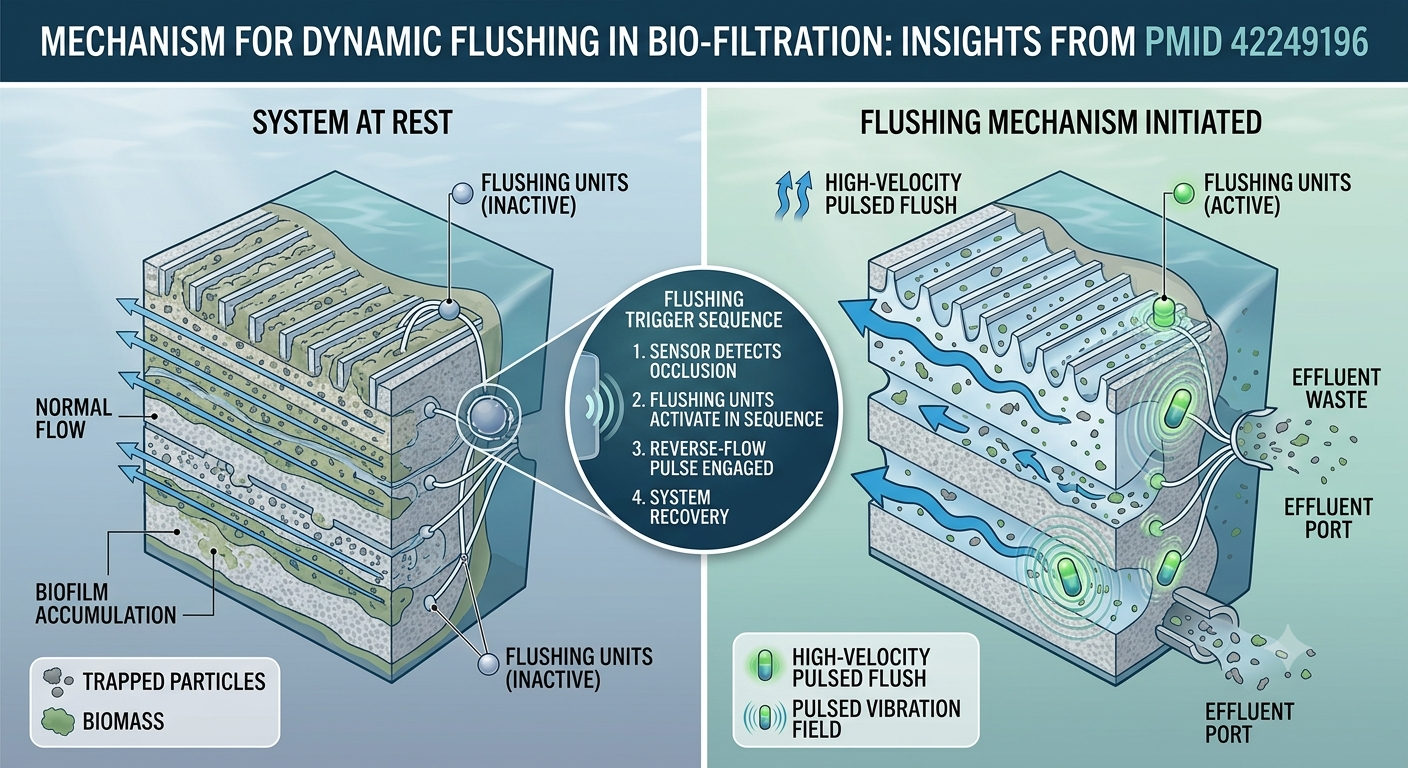
Postmortem Evidence of Lymphatic Vessels Located at the Boundary of Central and Peripheral Nervous Systems in the Cervical Spine
These vessels appear to serve as important drainage routes, helping carry waste away from the brain. The study strengthens our understanding that good sleep and daily movement aren’t just “nice to have” — they are essential ways we help our brains stay clear and healthy over time.
This is why protecting your sleep and staying active matters so much. When we understand that our brains need regular “garbage pickup,” it becomes easier to make these habits a real priority.
Here are four practical ways you can support your brain’s natural cleaning system:
1. Protect Your Nightly Brain Garbage Pickup
Your brain does its most important garbage collection during deep sleep. This is when the cleaning system works hardest — flushing out waste that built up during the day. Just like household trash, if the pickup gets skipped too often, things start to pile up.
What you can do:
Aim for 7–9 hours of sleep most nights.
Keep a consistent bedtime and wake time.
Create a simple wind-down routine: dim the lights, avoid screens before bed, and keep your bedroom cool and quiet.
If sleep is difficult, talk with your doctor. Protecting your nightly brain cleanup is one of the most powerful things you can do for long-term brain health.
2. Keep the Flow Moving with Daily Movement
Movement helps keep fluid circulating throughout your body — including the pathways that carry waste away from your brain. Think of it as helping the “garbage trucks” move more smoothly through your system.
What you can do:
Take a daily walk, even if it’s just 15–20 minutes.
Try yoga, stretching, tai chi, or any form of movement you enjoy.
Include some light strength training a couple of times a week.
Move regularly throughout the day — stand up, stretch, or take short walks.
Consistent movement helps prevent stagnation and supports your brain’s natural drainage.
3. Reduce Interference with Daily Calm
Stress and tension can interfere with healthy fluid flow — almost like putting obstacles in the way of the garbage trucks. Taking time to calm your nervous system helps your brain’s cleaning system work more efficiently.
What you can do:
Practice 5–10 minutes of simple breathing or quiet sitting each day.
Try a short guided meditation or simply focus on your breath.
Spend time in nature, listen to calming music, or create small moments of stillness.
Even brief periods of calm can make a meaningful difference in how well your drainage system functions.
4. Support Your Body’s Drainage with Acupuncture
Acupuncture is a gentle practice that can support circulation, reduce inflammation, and promote deep relaxation — all of which may help your body’s natural drainage systems work more smoothly. Many people find it helpful for sleep, stress, and overall well-being.
What you can do:
Find a licensed acupuncturist and consider trying a short series of treatments.
Many people notice better sleep and a greater sense of ease with regular sessions.
Treat Your Brain’s Garbage Collection Like It Matters
Just like we wouldn’t want our household trash to pile up for weeks, we shouldn’t treat our brain’s nightly cleanup as optional. The research shows these systems are real — and they respond to how we live.
Small, consistent choices add up:
Protecting your sleep
Moving your body daily
Creating moments of calm
Exploring supportive practices like acupuncture
These habits aren’t about perfection. They’re about giving your brain the regular “garbage pickup” it needs to stay clear and healthy for the long run.