
Why the World Gained More Weight After 2000 Even While Increasing Their Exercise: The Shocking Hidden Metabolic Rate Variable That Is Easy to Fix
Eating the same and moving more, but still gaining weight? A cardiologist explains how our resting calorie burn may have dropped by about 220 calories a day, and the simple food and strength habits that may help turn it back up.

What a Cardiologist Wants You to Know About Fat, Meat, and Real Food
Lessons from Dr. Rhonda Patrick’s conversation with Dr. Dariush Mozaffarian
Listen to the podcast: The Hype vs. Data on Saturated Fat, Red Meat, & Seed Oils. In this FoundMyFitness episode, host Dr. Rhonda Patrick interviews Dr. Dariush Mozaffarian, a cardiologist and director of the Food is Medicine Institute at Tufts University.
You can also find the official episode page and show notes here.

Lonely, Isolated, or Both? What a Study of 277,000 Adults Says About Connection and Healthy Years
In a study published in Nature Communications on August 20, 2026, researchers led by Xuan Wang and senior author Lu Qi (Tulane University) looked at how loneliness and social isolation relate to "disease-free life expectancy": the number of years a person can expect to live without a major chronic illness. Their most striking finding: people who were both lonely and socially isolated could expect up to about six fewer years free of mental disorders like depression and anxiety. And while healthy habits seemed to soften the link with isolation, they did not do the same for loneliness.
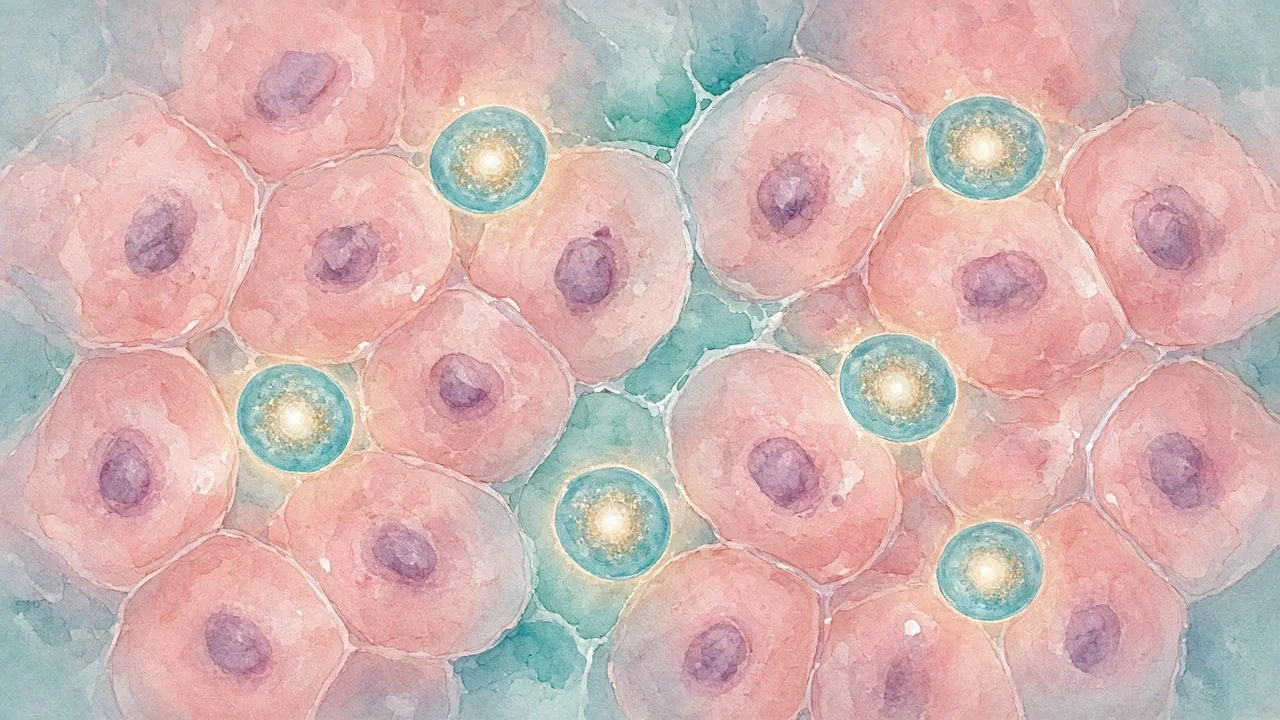
Sleeper Cells, Inflammation, and the Body’s Ability to Repair Itself: New Thinking on Cancer and Osteoarthritis
What if the cells that turn into cancer are already sitting quietly in your body, waiting for the right trigger? In a conversation with Peter Attia, oncologist and author Siddhartha Mukherjee explains new research suggesting that inflammation and chronic high insulin may be what wakes them up. The same story shows up in osteoarthritis, where inflammation seems to shut down the stem cells that rebuild cartilage. Here's what the latest science says, what you can do now, and the big questions researchers are still working on.

Squeeze the World: The Little Globe Ball That Wakes Up Your Legs
If you've taken class with me lately, you've probably noticed a few tiny planets rolling around the studio. These mini Earth squishy balls have become one of my favorite props. They're soft, squeezable, and just the right size to tuck between your ankles, and they turn a simple heel lift into a surprisingly mindful little practice.

The Exercise That Beats a Run for Blood Pressure
A 2023 analysis of 270 randomized trials found that holding still — especially in a wall squat — lowered resting blood pressure more than running, lifting, or intervals. The mechanism is real. The protocol is almost embarrassingly small. Here is what the data actually supports.
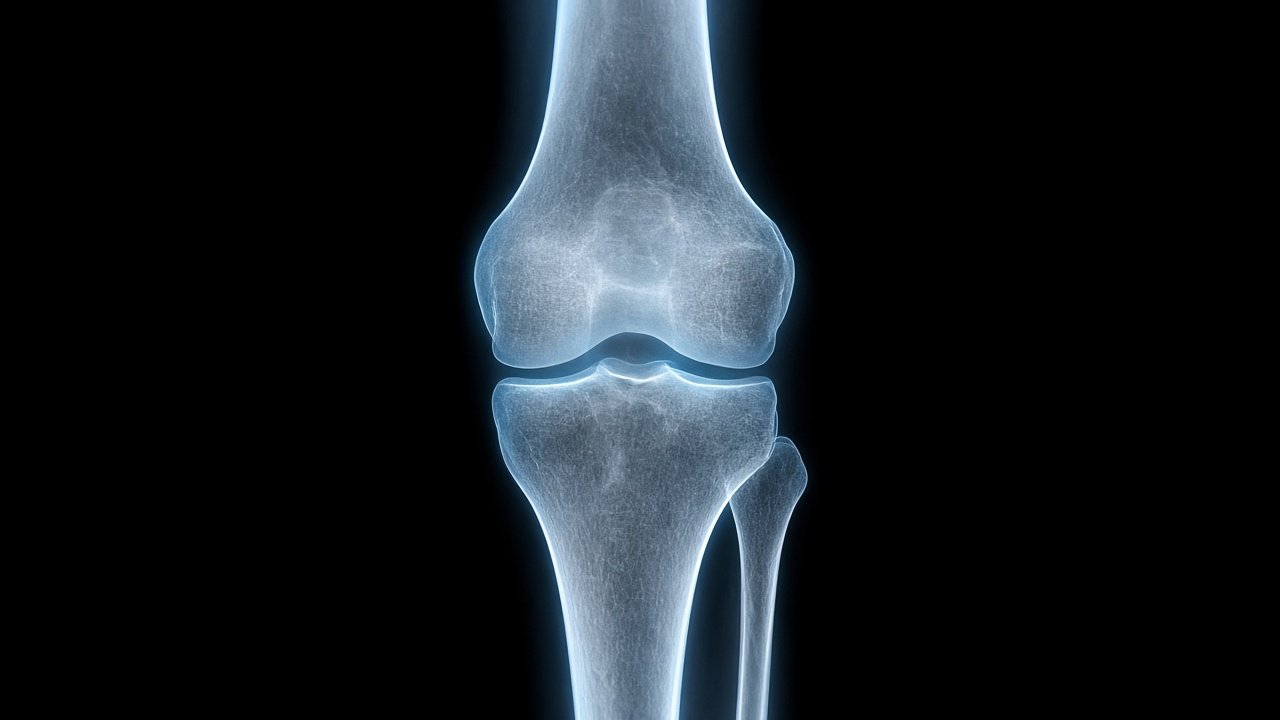
Moving Without Pills: A Guide to Easing Arthritis Discomfort
Arthritis isn’t just an inevitable tax of getting older. Here are the science-backed, pill-free strategies (short isometric holds, stronger muscles, and well-timed collagen + vitamin C) that can ease osteoarthritis pain and keep you moving.


Shake It Off: A Simple Self-EMDR Tool for Rewiring a Looping Mind
Ever have an experience that shakes you?
A comment that lands wrong. A meeting that keeps replaying. A moment that already happened, but your brain won’t stop running it like a film on loop.
Do you want a quick tool that can help you shake that experience off?
EMDR—Eye Movement Desensitization and Reprocessing—is a powerful way to help your brain let go of a stuck experience so it doesn’t keep “playing” over and over.

Your Brain Is Hungry. A Little Movement Can Feed It.
Did you know that exercise feeds your brain and helps you have the focus to get through your day? Find out how and the small “steps” you can take to feel awesome today.

The Drivers of Metabolic Syndrome — and How to Prevent Each One
A comprehensive, evidence-based guide to the cluster of risks that raise heart disease, stroke, and type 2 diabetes — and the interventions that actually move the needle.

The Real Benefits of Oral Micronized Progesterone
Most people think progesterone is just for protecting the uterus—but the oral form does something far more interesting in the brain.

Your Pelvic Floor: Why It Matters and What to Do to Improve its Function
Discover simple, research-backed ways to improve incomplete bladder emptying, quiet sudden urgency, and protect your pelvic floor—without straining.

Transform Your Body in 6 Weeks: The Strategic 36-Hour Fasting Protocol for Real Fat Loss (Especially Visceral Fat)
Discover the 36-hour fasting protocol that delivers 50% total body fat loss, 60% visceral fat reduction, and even muscle gains in just 6 weeks — without chronic calorie restriction.

Building Muscle: What Science Says Works (and What Doesn’t)
Discover the science-backed way to build muscle efficiently—without chasing soreness or overdoing cardio—plus a simple SIT protocol that delivers big results in minimal time.

Your Brain Has a Built-in Cleaning System: Exciting New Research You Should Know
Most people don’t realize their brain has its own garbage collection system — until it starts to overflow.

The Athlete's Heart Paradox: How Extreme Fitness Can Both Protect and Challenge Your Cardiovascular Health
The athlete’s heart paradox reveals that intense endurance training creates beneficial cardiac adaptations like larger, more efficient hearts and superior fitness that extend lifespan for most people, but in rare cases—especially among men with high volumes over decades or certain genetic risks—can mimic or contribute to conditions like arrhythmias, calcification, or fibrosis, making proactive screening (family history, ECG, echo, CT angiogram) essential to train hard while staying safe.

How Estrogen in HRT Can Make Your Brain Feel Like It’s “Turning On” Again: A Simple, Science-Backed Guide for Perimenopause
Women in perimenopause who initiate estrogen therapy as part of hormone replacement therapy (HRT) frequently report a rapid restoration of cognitive clarity. Many describe this as a lifting of mental fog, with renewed sharpness, focus, and mental energy. These experiences are consistent with established neurobiological effects of estrogen and are commonly reported in clinical settings.

Perimenopause Hormone Management Options
Summary of Treatment Approaches Discussed by Dr. Felice Gersh
Purpose of this document:
To summarize possible treatment strategies for managing perimenopause symptoms and hormonal instability. The goal is to stabilize hormone fluctuations, reduce symptoms, and protect long-term health.