Why Inflammation Happens – And the Surprising Amino Acid That Helps Turn It Off

Inflammation doesn’t have to slow us down anymore
Inflammation isn’t always the villain we make it out to be. In fact, it’s one of your body’s most important survival tools. When you’re injured or fighting an infection, specialized immune cells rush in to clean up damaged tissue and kill invading microbes. This process involves releasing powerful inflammatory chemicals that help protect you in the short term.
The problem?
In modern life, inflammation often never fully shuts off.
Chronic inflammation now sits at the root of arthritis, diabetes, heart disease, autoimmune conditions, and even cancer. So the real question isn’t “Why does inflammation exist?”—it’s:
Why doesn’t it turn off anymore?

This article was pulled together from a wonderful podcast.
The Missing Nutrient: Glycine
One of the biggest nutritional mistakes of the modern diet is treating glycine as “non-essential.” While your body can make some glycine, research shows it often can’t keep up with demand—especially as we age, gain weight, or develop metabolic issues.
Glycine is:
A natural anti-inflammatory
A calming neurotransmitter (supports sleep)
A key regulator of immune response
Essential for collagen, connective tissue, and joint health
Involved in detoxification and blood thinning
It even plays a role in controlling how aggressive your immune cells become during inflammation.
How Our Diet Created an Amino Acid Imbalance
Our ancestors ate the whole animal:
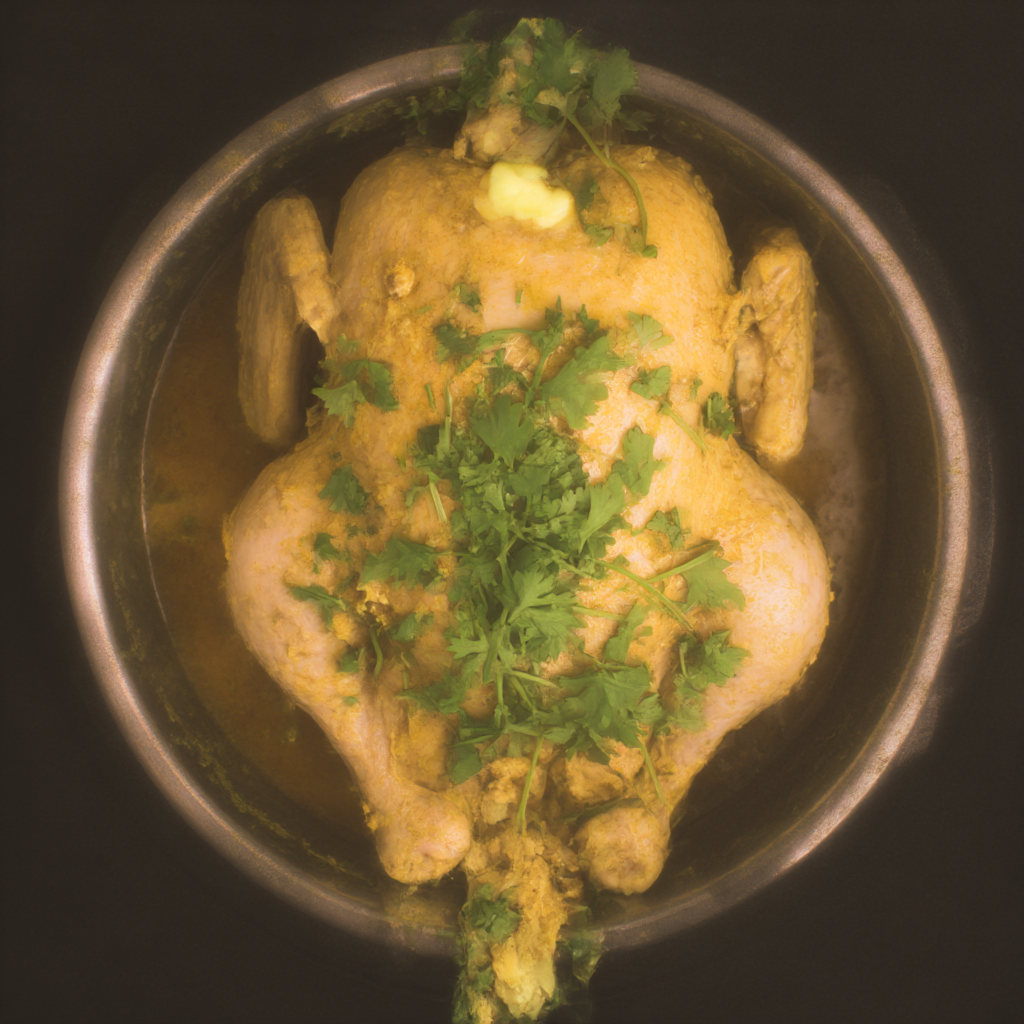
We need to get back to eating the whole animal
Bones
Tendons
Ligaments
Skin
Connective tissue
These parts are rich in collagen, and collagen is about 25% glycine by weight.
Modern diets, however, focus almost exclusively on muscle meat—steak, chicken breast, burgers, fish fillets. These are high in methionine (and arginine), but very low in glycine.
So now we have a double problem:
We eat more methionine than ever
We eat far less glycine than previous generations
And that imbalance matters.
How Glycine Processes Excess Methionine (and Arginine)
Methionine is an essential amino acid, but your body only needs small amounts. When you eat more than you need, your liver has to break it down.
Here’s the key part:
To eliminate excess methionine, your body uses glycine.
Specifically, it requires two molecules of glycine to clear one molecule of methionine.
That means every high-protein, muscle-meat-heavy meal drains your glycine supply.
Over time:
Glycine levels drop
Inflammation becomes harder to control
Immune responses stay “stuck on”
Tissues don’t repair as efficiently
Add obesity or aging to the mix, and the liver makes even less glycine naturally.
The “Glycine Switch” That Turns Off Inflammation
Inflammation is driven by immune cells called macrophages. These cells release toxic substances to kill bacteria and clean up damaged tissue. That’s helpful short-term—but dangerous long-term.
Glycine acts like a biological switch for these cells:
It calms overactive immune responses
It reduces inflammatory signaling
It helps macrophages stand down once the threat is gone
Without enough glycine, immune cells keep firing—even when there’s no real danger left. That’s how chronic inflammation develops.
What Happens When Glycine Is Low
Low glycine has been associated with:
Poor sleep
Higher inflammation
Joint and connective tissue issues
Slower recovery from injury
Increased cardiovascular risk
Metabolic dysfunction
Autoimmune and allergic conditions
Glycine even supports healthy blood flow by acting as a natural blood thinner.
And yet, most people are getting only a fraction of what their bodies actually need.
Why “Normal” Levels Aren’t Healthy
Blood tests may show “normal” glycine levels—but “normal” just means average for today’s population.
And today’s population is:
Overfed
Under-nourished
Inflamed
Stressed
Sleep-deprived
So “normal” doesn’t equal optimal.
How to Restore Balance: Practical Action Steps
1. Bring Back Bone-Based Nutrition
Aim to regularly consume:
Bone broth
Collagen peptides
Gelatin
Slow-cooked meats with connective tissue
These naturally supply glycine in the form your body evolved to use.
2. Balance Muscle Meat With Glycine
If you eat a lot of:
Steak
Chicken breast
Fish
Burgers
Make sure you also include collagen or broth to offset the methionine load.
3. Consider Glycine Supplementation
Many people benefit from:
3–10 grams per day
Especially before bed (supports sleep)
Can help calm inflammation and nervous system activity
Always consult a healthcare provider if you have medical conditions.
Glycine supplement is naturally sweet. People enjoy putting a scoop into their morning coffee instead of other sweeteners or putting it into lemon water for a natural lemonade.
The brand that I have been using and enjoying is Nutricost.
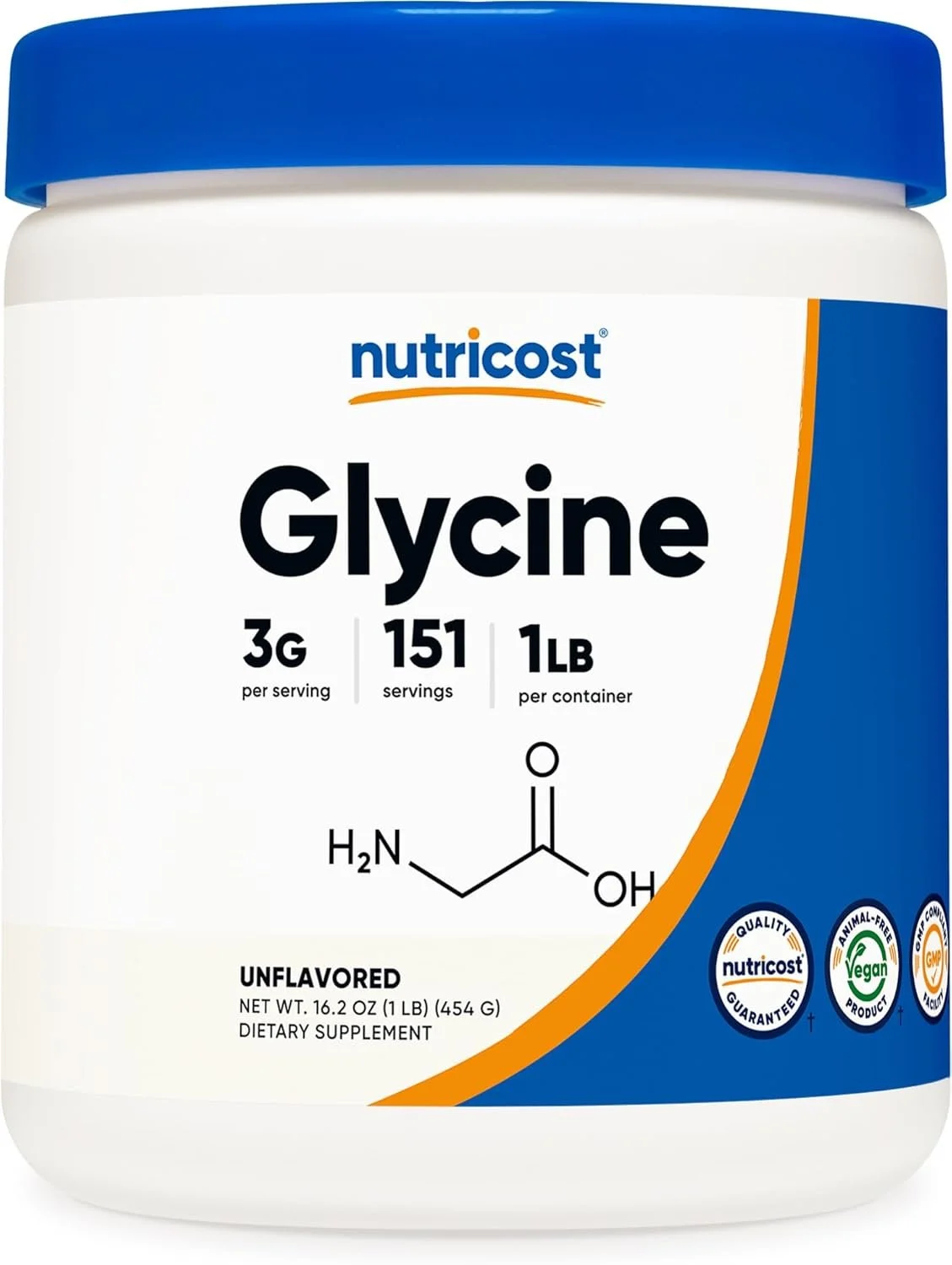
I use Nutricost
I put 1 scoop in coffee or water in the morning, and another 1 hour before bed in water. Glycline helps with sleep.
This is a total of 6 grams of direct Glycine.
I get the rest from collagen peptides.
4. Support Liver Health
Your liver is where glycine does much of its work.
Support it with:
Adequate protein
Micronutrients
Avoiding excess alcohol
Maintaining healthy body weight
The Big Picture
Inflammation isn’t the enemy.
Unresolved inflammation is.
Modern diets stripped away the very nutrients—like glycine—that help your immune system shut off the inflammatory response after the job is done.
By restoring amino acid balance through whole-animal nutrition, collagen intake, and mindful protein choices, you give your body the tools it needs to:
Heal
Recover
Calm inflammation
Age more gracefully
Sometimes, the most powerful health upgrades come from remembering how our ancestors ate.