Your Pelvic Floor: Why It Matters and What to Do to Improve its Function
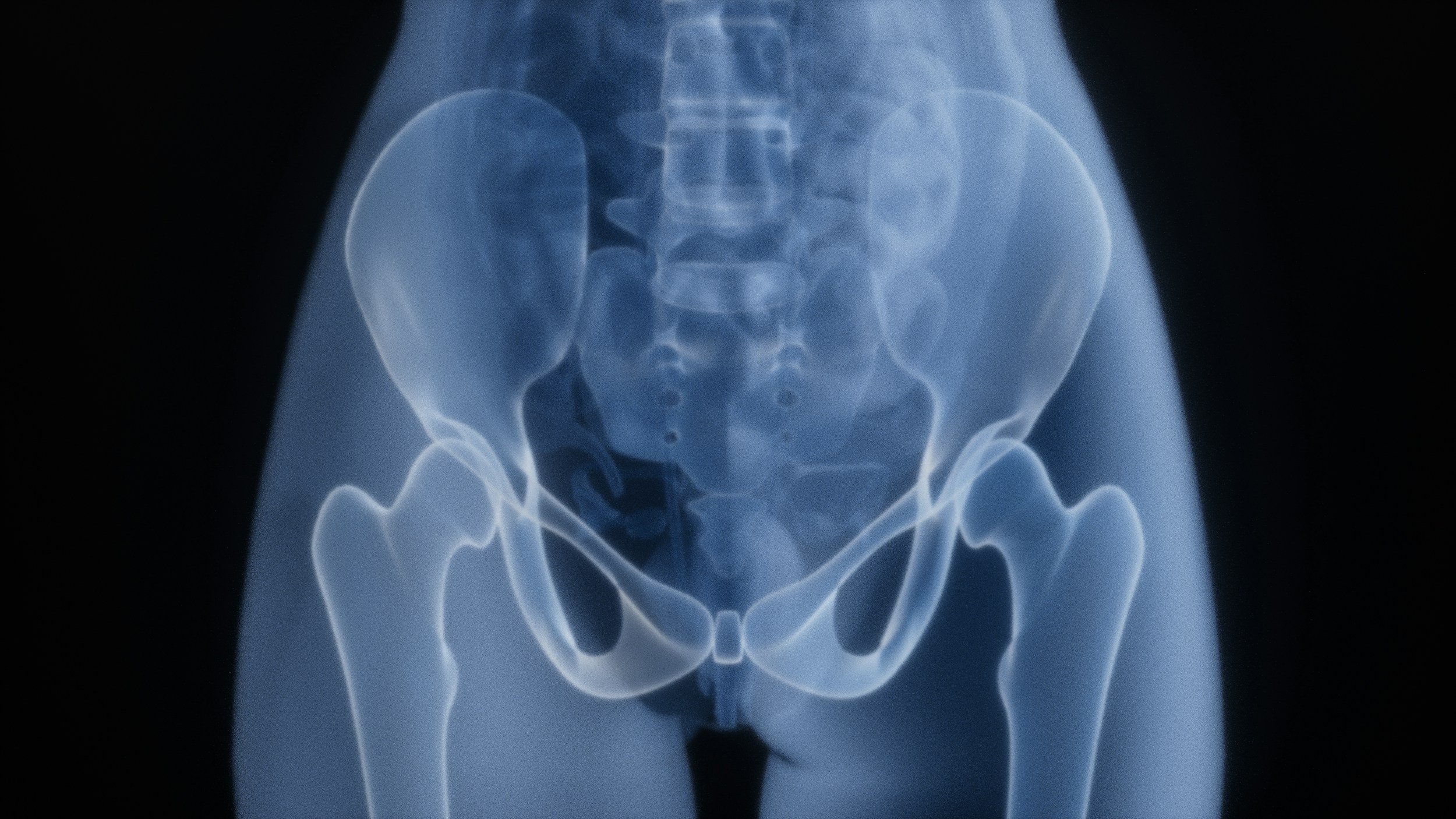
Most of us don’t think much about the pelvic floor until something feels off. Yet these muscles and tissues form a supportive hammock at the base of your pelvis, holding up your bladder, bowel, and (in women) uterus while helping control when you pee or poop. When they work well, life is smoother. When they don’t, everyday things like emptying your bladder can become frustrating.
Research has grown a lot in recent years. We now know pelvic floor issues are common—especially urinary leaks, a feeling of heaviness or bulge (prolapse), or incomplete emptying. Age, childbirth, menopause, carrying extra weight, chronic constipation, and habits that put repeated pressure on the area all play roles. The good news: many people improve with simple changes, better toileting habits, and targeted exercises or physical therapy. Surgery is not the first or only answer for most.
When Urine Doesn’t Fully Empty Without Pressing
It’s normal to have a small amount of urine left in the bladder after you go (often under 50–100 mL). But if you regularly feel like you haven’t finished and have to push or press to get the rest out, that’s incomplete emptying. Causes can include a bladder muscle that doesn’t contract strongly enough, something partially blocking the outlet, or pelvic floor muscles that stay too tight and don’t fully relax to let urine flow freely.
Here’s what often helps (and what research and clinical guidance support):
• Sit fully and get comfortable. Don’t hover over the toilet. Rest your feet flat on the floor or on a low stool so your knees are roughly level with or slightly higher than your hips. Lean forward a bit with your elbows on your knees. This position helps the pelvic floor relax.
• Breathe and release. Take slow belly breaths. As you exhale, gently let the pelvic floor soften and “drop.” Avoid holding tension in your abdomen or gripping the muscles.
• Try double voiding. Go once, then wait 20–30 seconds. Rock gently side to side or lean forward and back. Stand up, walk a few steps or jiggle a little, then sit and try again. Some people also find light tapping just above the pubic bone helpful.
• Give yourself time. Rushing makes relaxation harder. Manage constipation with fiber, fluids, and regular bowel habits—pressure from a full rectum can interfere with bladder emptying.
• Watch habits. Limit excess caffeine if it irritates your bladder. Don’t delay going for long periods or go “just in case” constantly.
These steps reduce residual urine for many people. Track how you feel for a week or two. If the problem continues, see a doctor or a pelvic floor physical therapist. They can measure leftover urine (often with a simple ultrasound) and check whether your muscles need relaxation work, strengthening, or other support.
When You Feel Sudden Urgency
Urinary urgency is that abrupt, intense “I need to go right now” feeling that can arrive with little warning and feel difficult to postpone. It is one of the most common bladder complaints and frequently overlaps with pelvic floor issues. Causes include an overactive bladder muscle that contracts involuntarily before the bladder is full; irritation from caffeine, alcohol, carbonated drinks, artificial sweeteners, citrus, or spicy foods; urinary tract infections or inflammation; hormonal shifts (particularly the drop in estrogen around menopause that thins and irritates bladder and urethral tissues); constipation that puts pressure on the bladder; leftover urine from incomplete emptying that keeps the bladder wall stimulated; pelvic floor muscles that are chronically tight, weak, or poorly coordinated; stress and anxiety that heighten nerve sensitivity; certain medications; or neurological factors. Habitually rushing to the bathroom “just in case” can also retrain the bladder to send urgency signals more frequently and at lower volumes.
Practical steps that help many people regain control start with urge-suppression techniques: when the urge hits, pause instead of rushing. Stand still or sit, take several slow diaphragmatic breaths, gently contract and then fully release the pelvic floor a few times (or focus purely on releasing if your muscles tend to grip), and distract your mind for 30–60 seconds by counting backward, focusing on a task, or changing position. Often the wave of urgency peaks and then softens, giving you time to walk calmly to the toilet. Keep a simple bladder diary for a few days noting fluids, timing of voids, urgency episodes, and possible triggers—this reveals patterns and shows progress. Space fluids evenly through the day rather than drinking large amounts at once, and experiment with reducing common irritants for 1–2 weeks to see if symptoms ease. Address constipation promptly, because a full rectum worsens urgency. Timed voiding (going on a schedule and gradually lengthening the interval by 10–15 minutes) retrains the bladder to hold more comfortably.
Relaxation-focused pelvic floor work is often more useful than constant tightening for urgency; a pelvic floor physical therapist can assess whether your muscles need release techniques, coordination training, or gentle strengthening and teach urge-control strategies tailored to you. If urgency is frequent, severe, wakes you at night, comes with leakage, pain, burning, blood in the urine, or fever, see a clinician promptly—infection, other treatable conditions, or the need for further evaluation should be ruled out. Many people see meaningful improvement with consistent habit changes and targeted therapy; urgency is common, disruptive, and highly manageable.
Why You Should Stop Pressing Hard to Empty
Pushing or straining to force the last bit of urine out feels like a quick fix, but it raises pressure inside the abdomen and on the pelvic floor. Over time, repeated straining can weaken the supportive tissues, contribute to or worsen pelvic organ prolapse (a downward shift of the bladder or other organs), and create a cycle of incomplete emptying and more pushing. It can also disrupt the natural coordination your muscles need to work smoothly.
Research links chronic straining with higher chances of prolapse recurrence after repair and with other pressure-related issues. The pelvic floor is designed to relax for emptying and contract for support and continence. Forcing urine out works against that design.
Instead of pressing, focus on the relaxation and posture tips above. If the bladder still doesn’t empty well, get evaluated rather than compensating with more force.
Practical Next Steps
Start with better toileting habits and gentle awareness of whether your pelvic floor is gripping or releasing. Many people benefit from working with a pelvic floor physical therapist who can assess strength, tension, and coordination and teach personalized exercises (not just generic Kegels). Strengthening is useful when muscles are weak; learning to fully relax is often the missing piece when emptying is the problem.
See a healthcare provider promptly if you have pain, frequent infections, a noticeable bulge, sudden inability to urinate, or symptoms that interfere with daily life. Underlying causes vary, and the right approach depends on your situation.
Your pelvic floor responds well to consistent, smart care. Small changes in how you sit, breathe, and empty can make a real difference. You’re not alone in this—many people deal with these issues quietly—and effective help exists.